
How a place becomes home without telling you
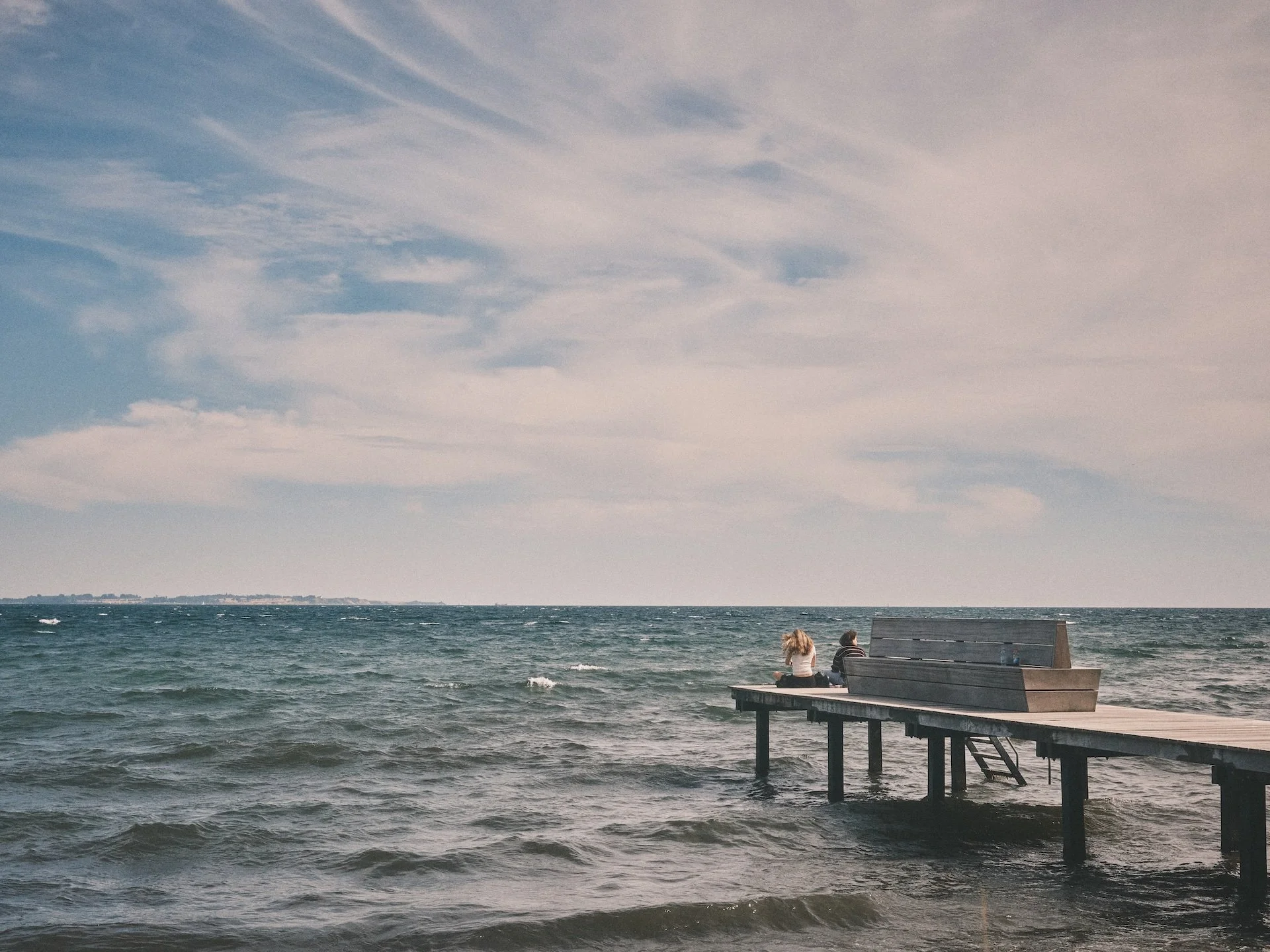
I come from flat land. The Po valley in Northern Italy, where the horizon is a line drawn with a ruler and the fog does the rest. In 2018 I moved to another flat country, further north, and told everyone it was for a while.
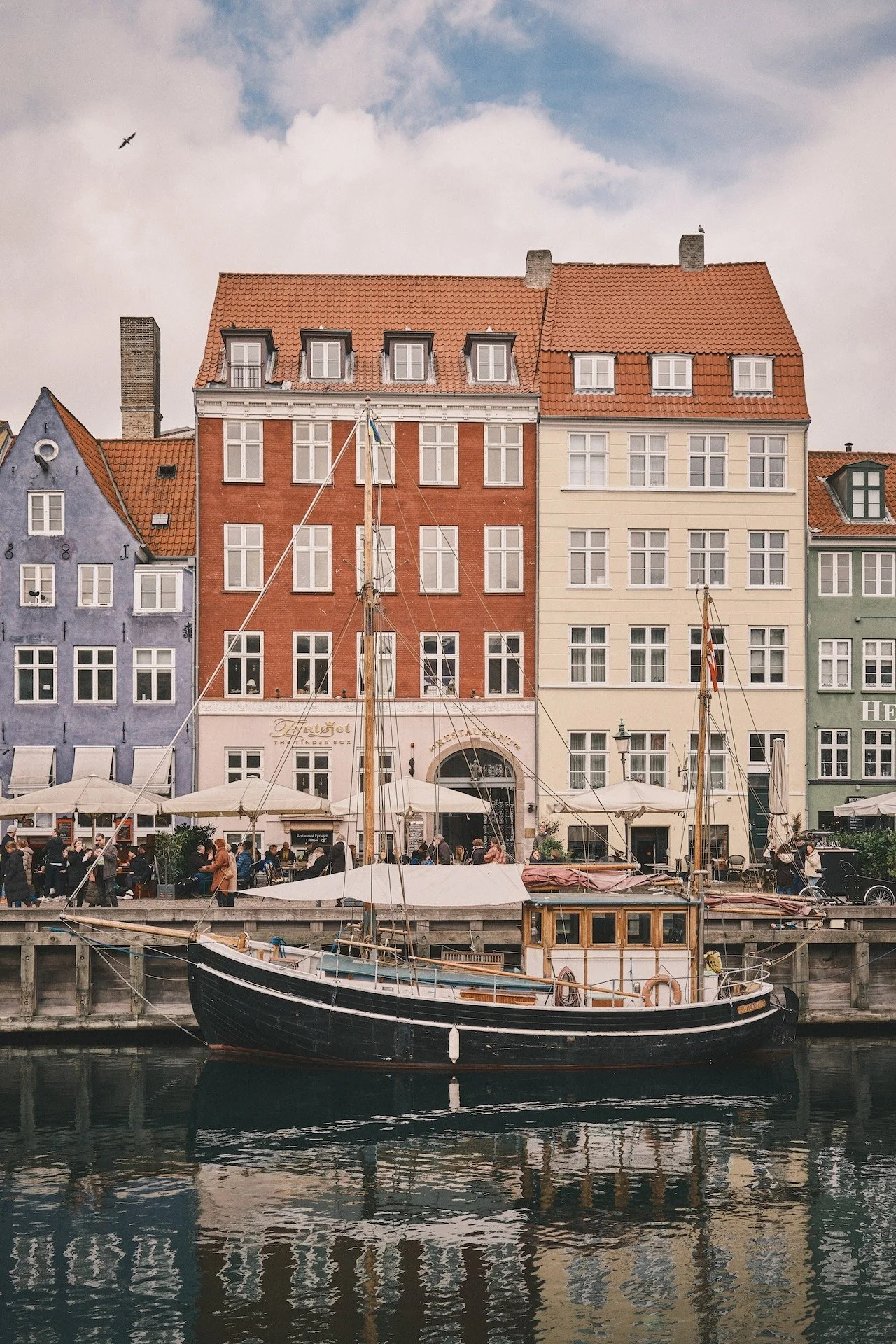
For a long time I looked at Denmark the way everyone does. The coloured houses on the harbour. The bicycles. The church with the brick arches. They are fine pictures, and anyone with a weekend and a return ticket could have taken them. I had a return ticket too, in my head.
Then, without deciding to, I started taking the long way round. Past the harbour and out of the center. North along the coast, where stone groynes run into water that turns turquoise on the right day, and nobody back home believes you. Further out, to the dunes, where the roofs are thatched and the sky goes pink in the evening. I wasn't looking for anything. I think that is when you start seeing a place.
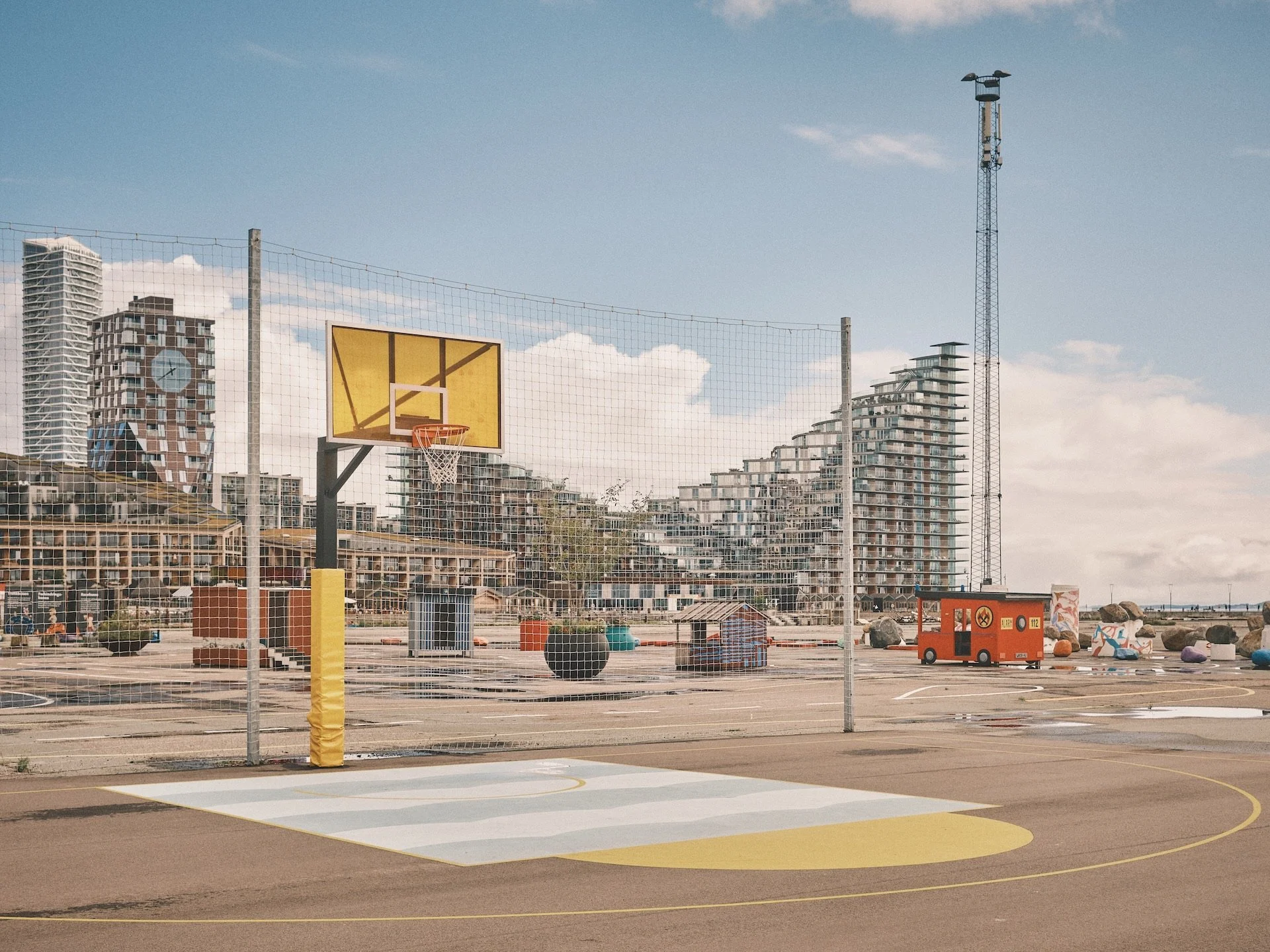
The pictures got less impressive after that. A basketball court in front of apartment blocks that weren't there when I arrived. A green garage door. A market stall of root vegetables. A sheep that looked at me as if I were the one out of place. Nobody flies to Denmark for these. I photographed them because they were on my way.
I once wrote that love is mostly Tuesdays, and I meant it. The days when nothing happens are most of the days.
And then there is December. At half past three the light is gone, and it doesn't come back until you have stopped waiting for it. Nobody warns you properly. I stayed anyway.
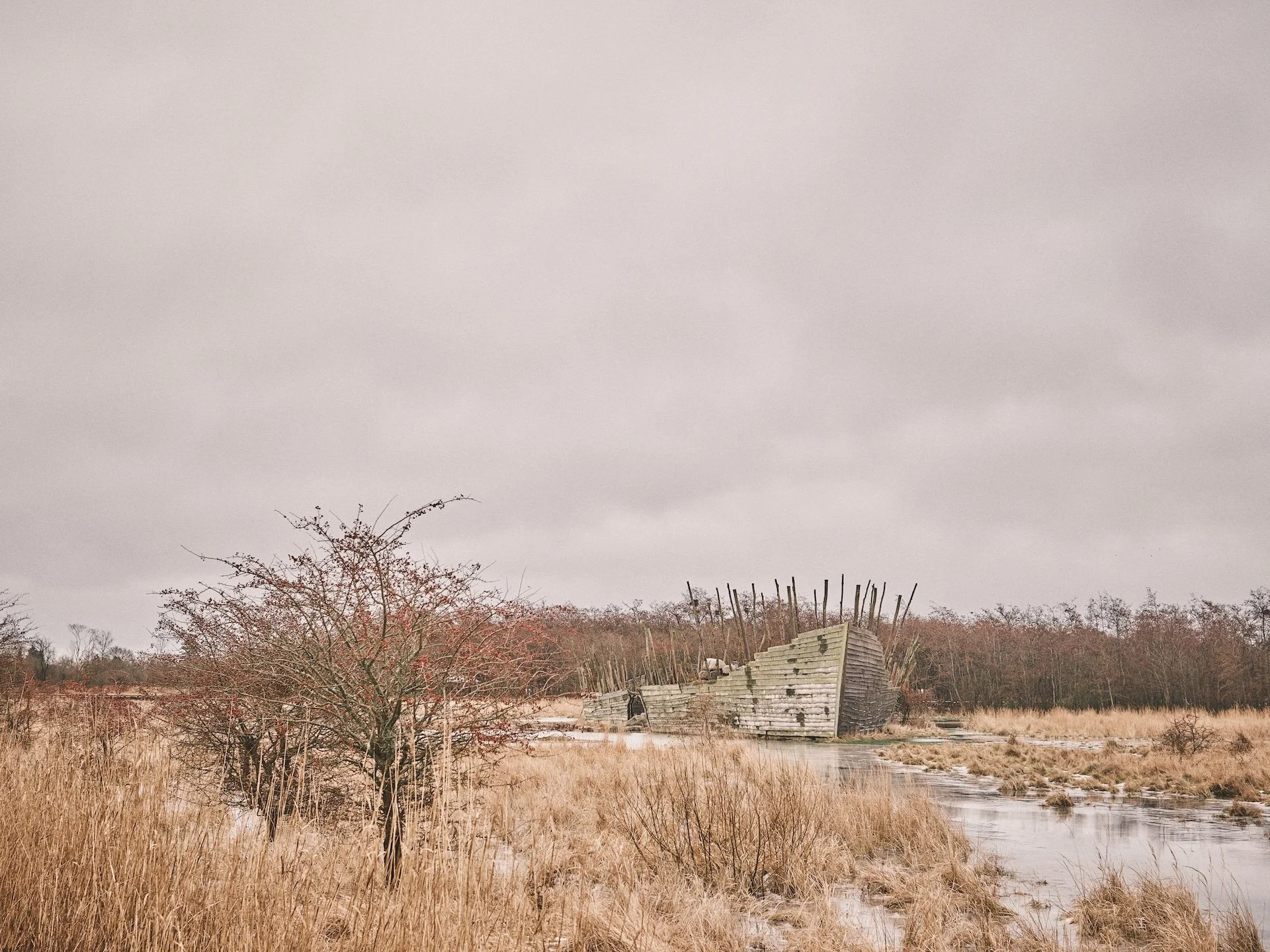
One spring I heard myself say "home", and it meant here.
For years I had caught that word and corrected it. Home was Italy, and this was where I lived. That time I let it stand.
Not long ago I stopped by a wheat field outside the city. A red combine was working through it, and a cyclist went past on the road in front. I grew up in a farm and with that picture: the wheat, the dust, the machine. Only the cyclist was Danish. I had gone a long way north to end up standing in front of the same field.
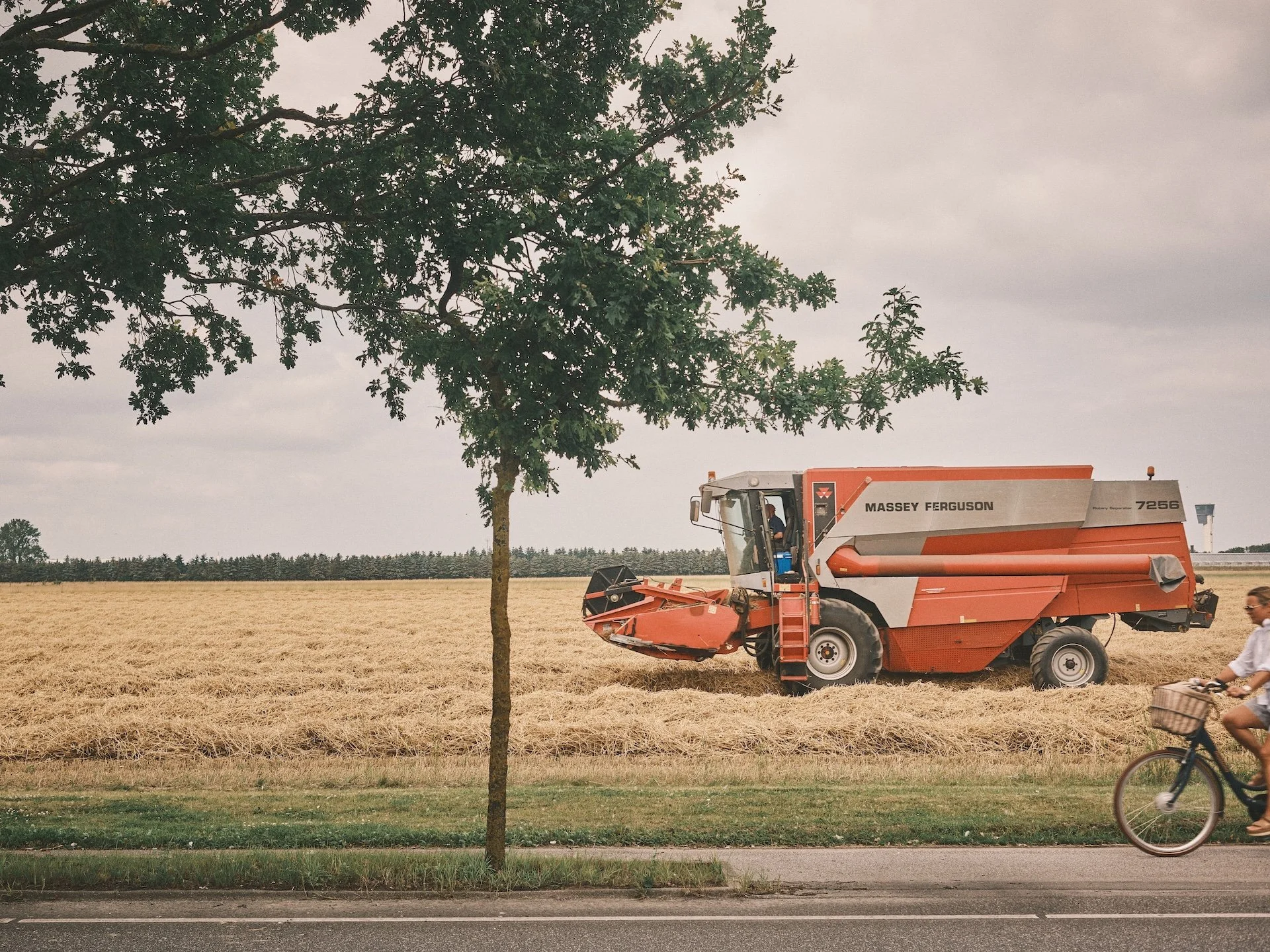
I don't think a place becomes home on a particular day. It happens on the Tuesdays, while you are taking the long way round, and you find out later, when a word leaves your mouth before you can stop it.
I came for a while. That was eight years ago.
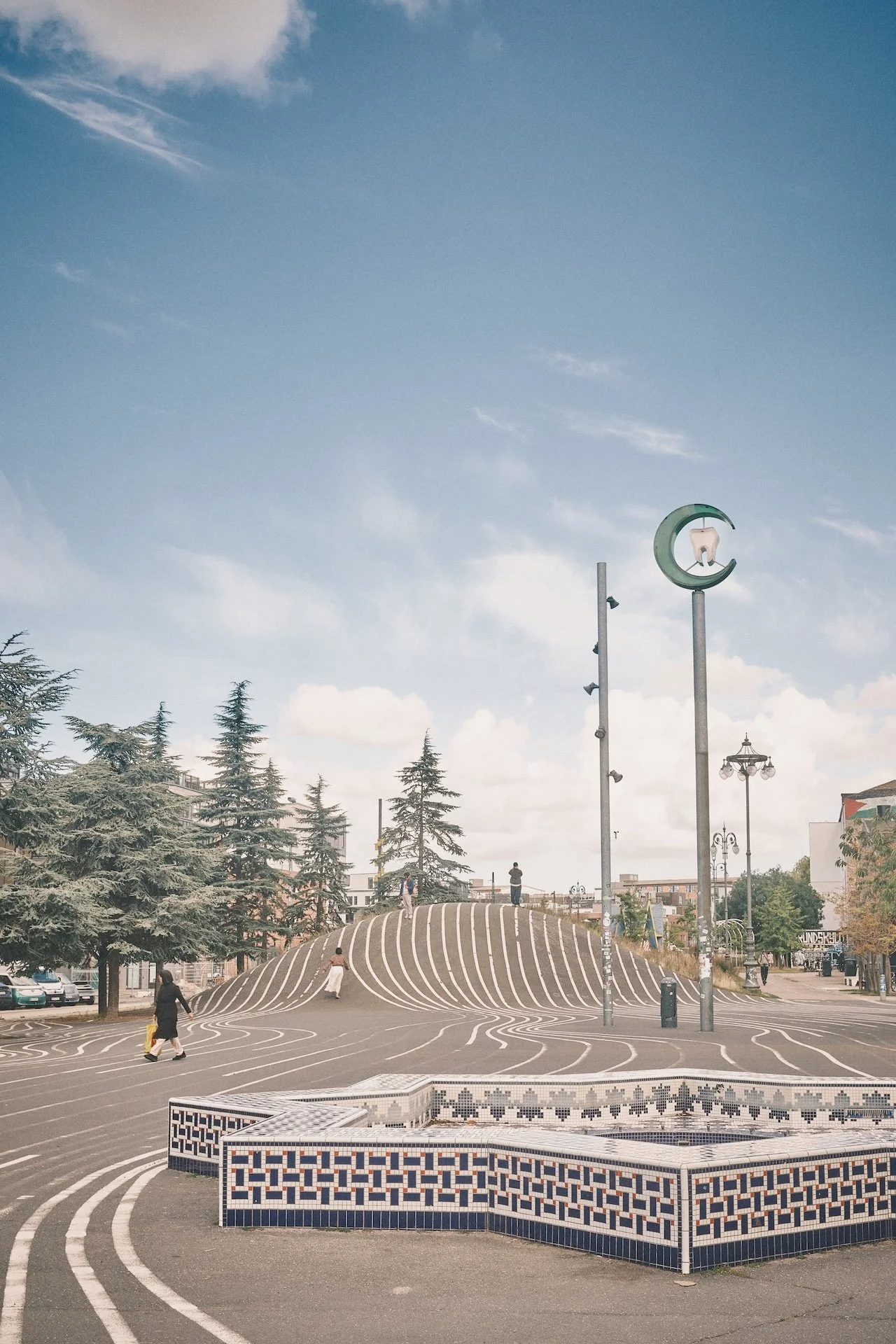
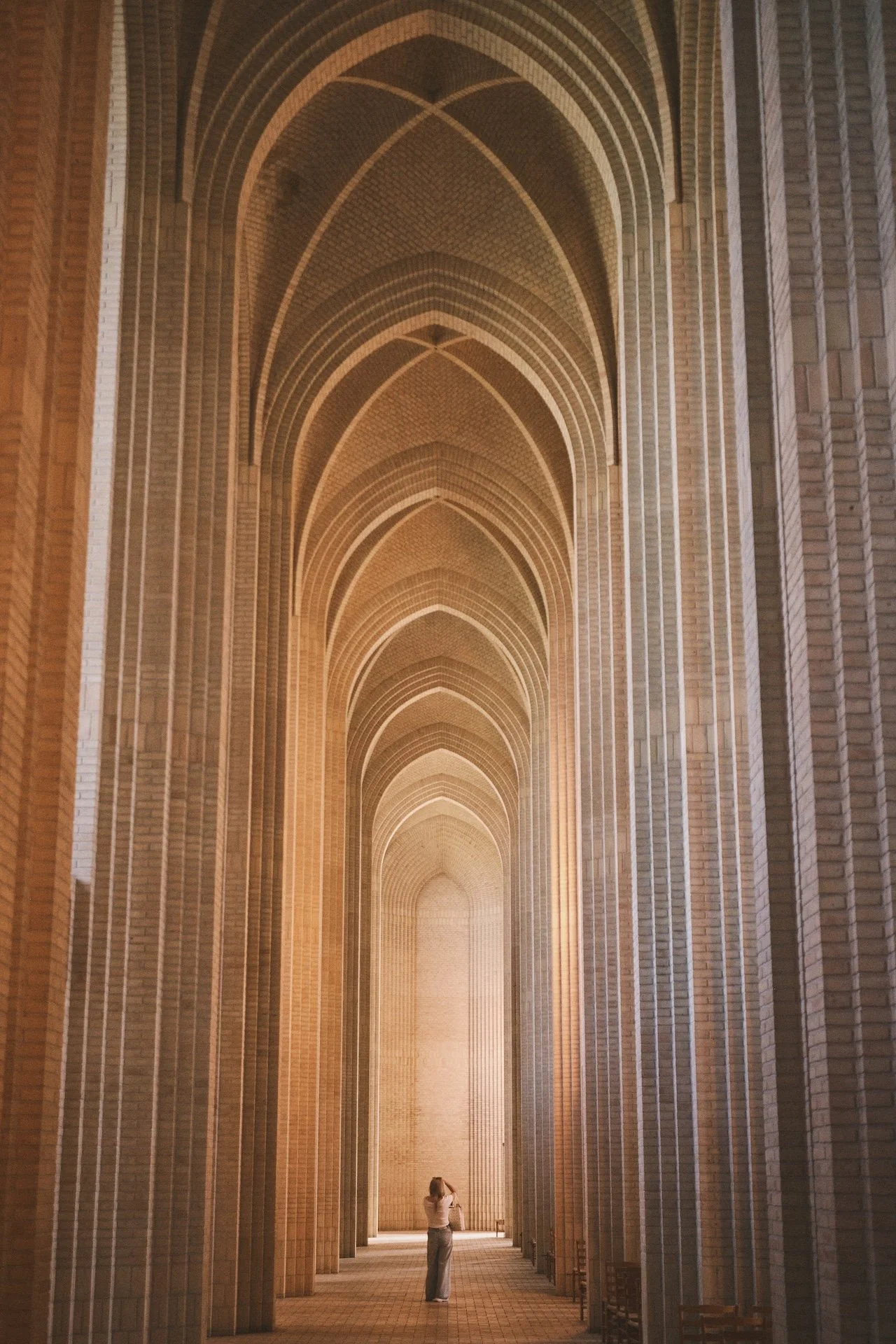
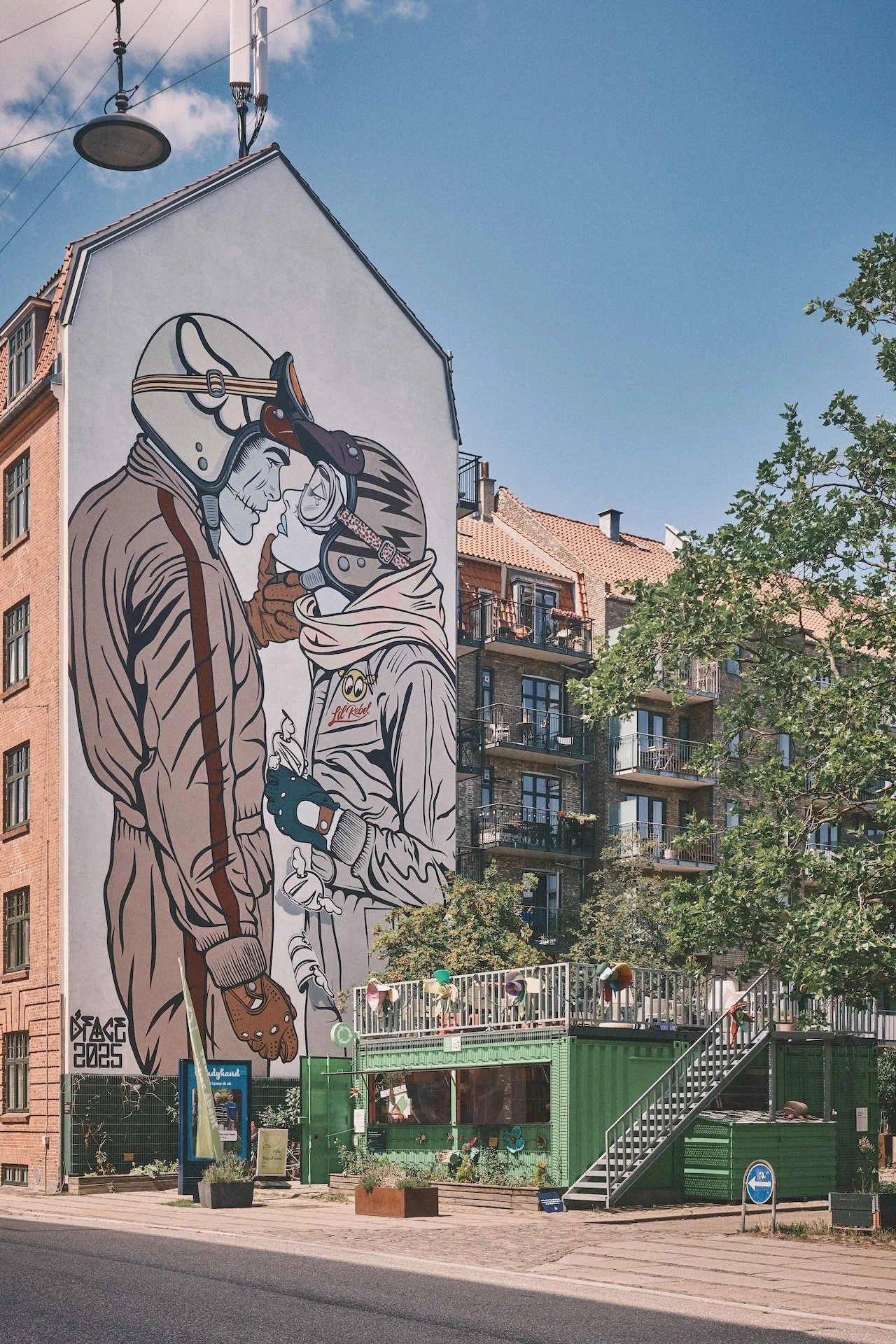
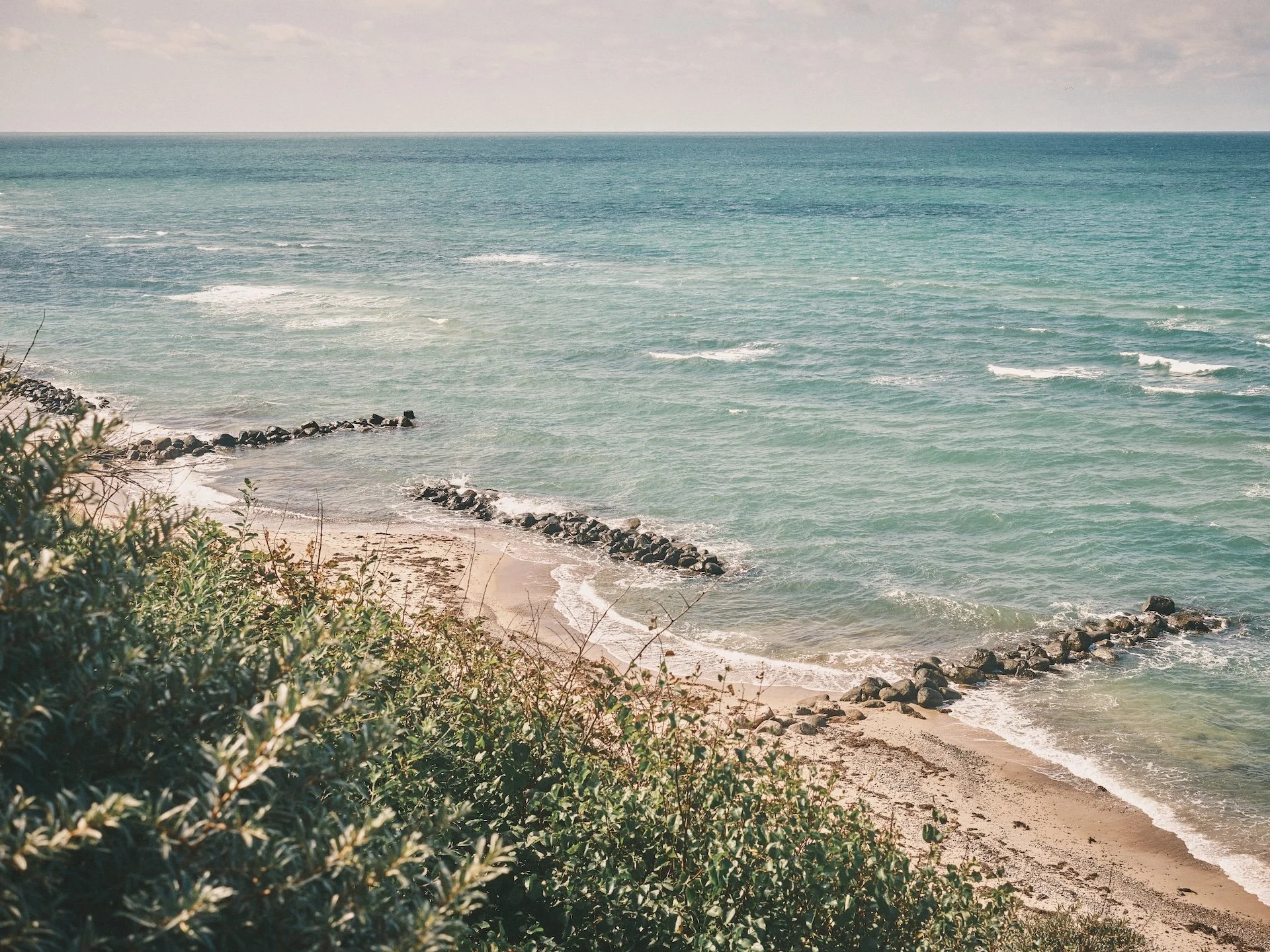
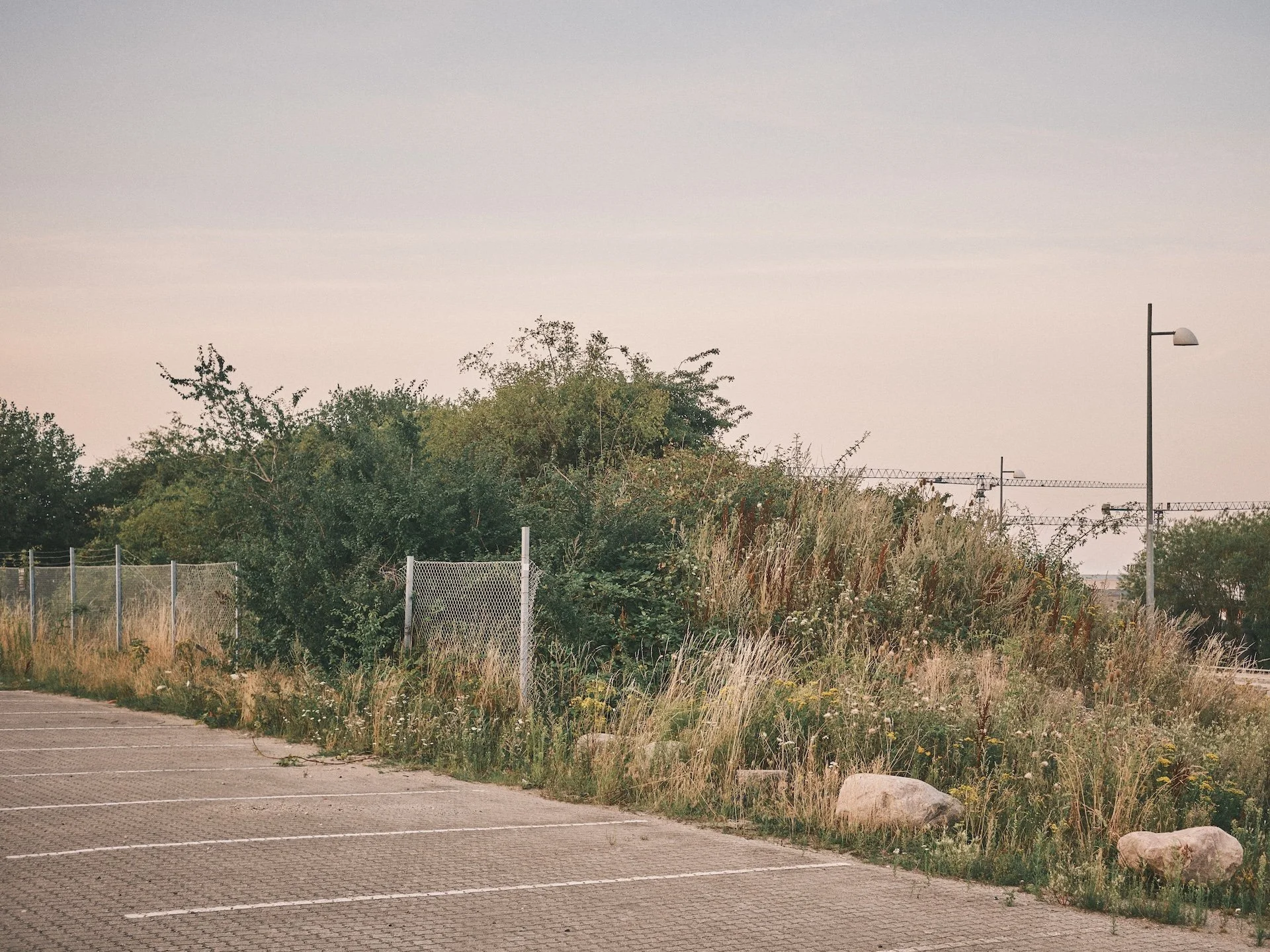
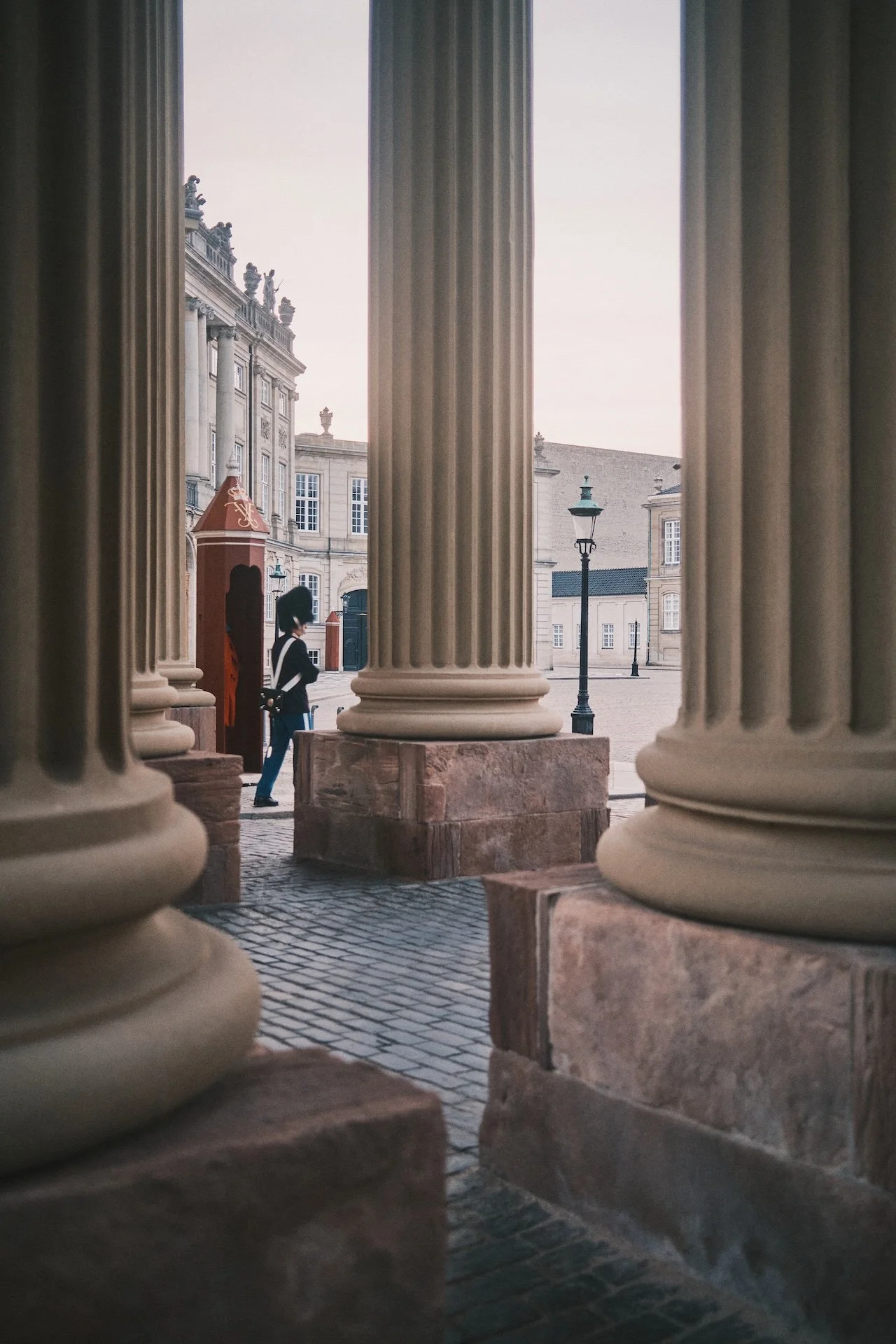
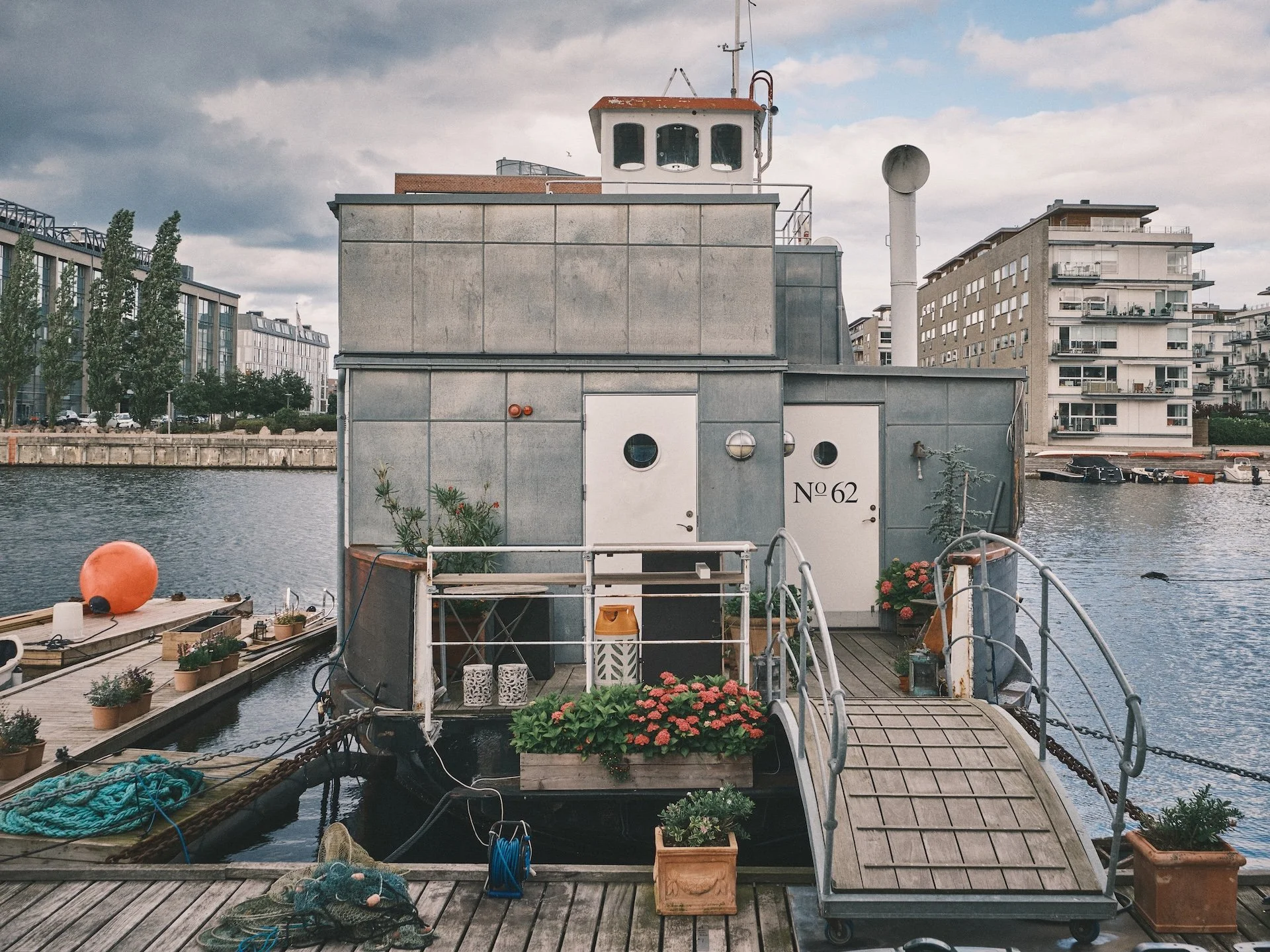
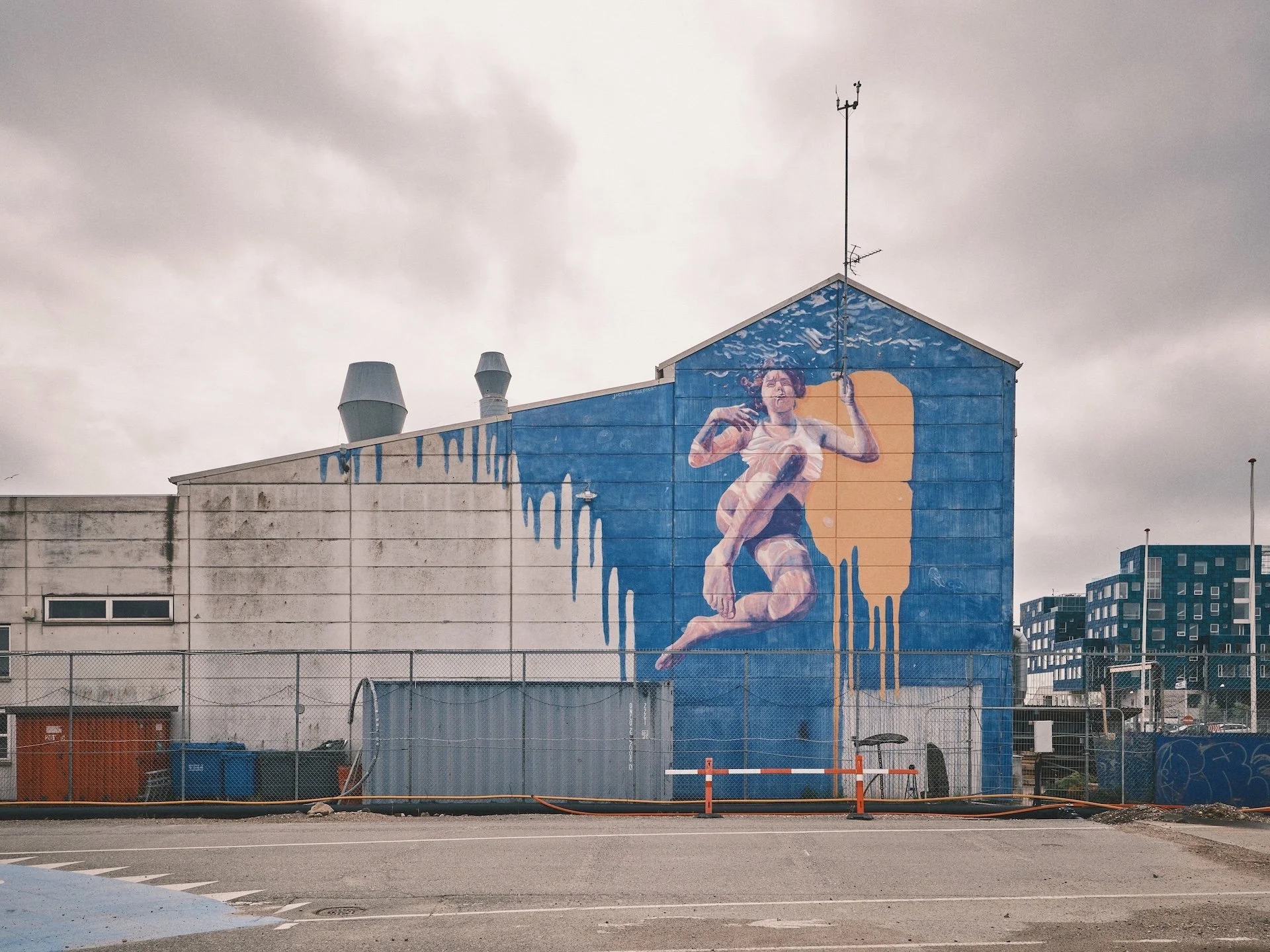
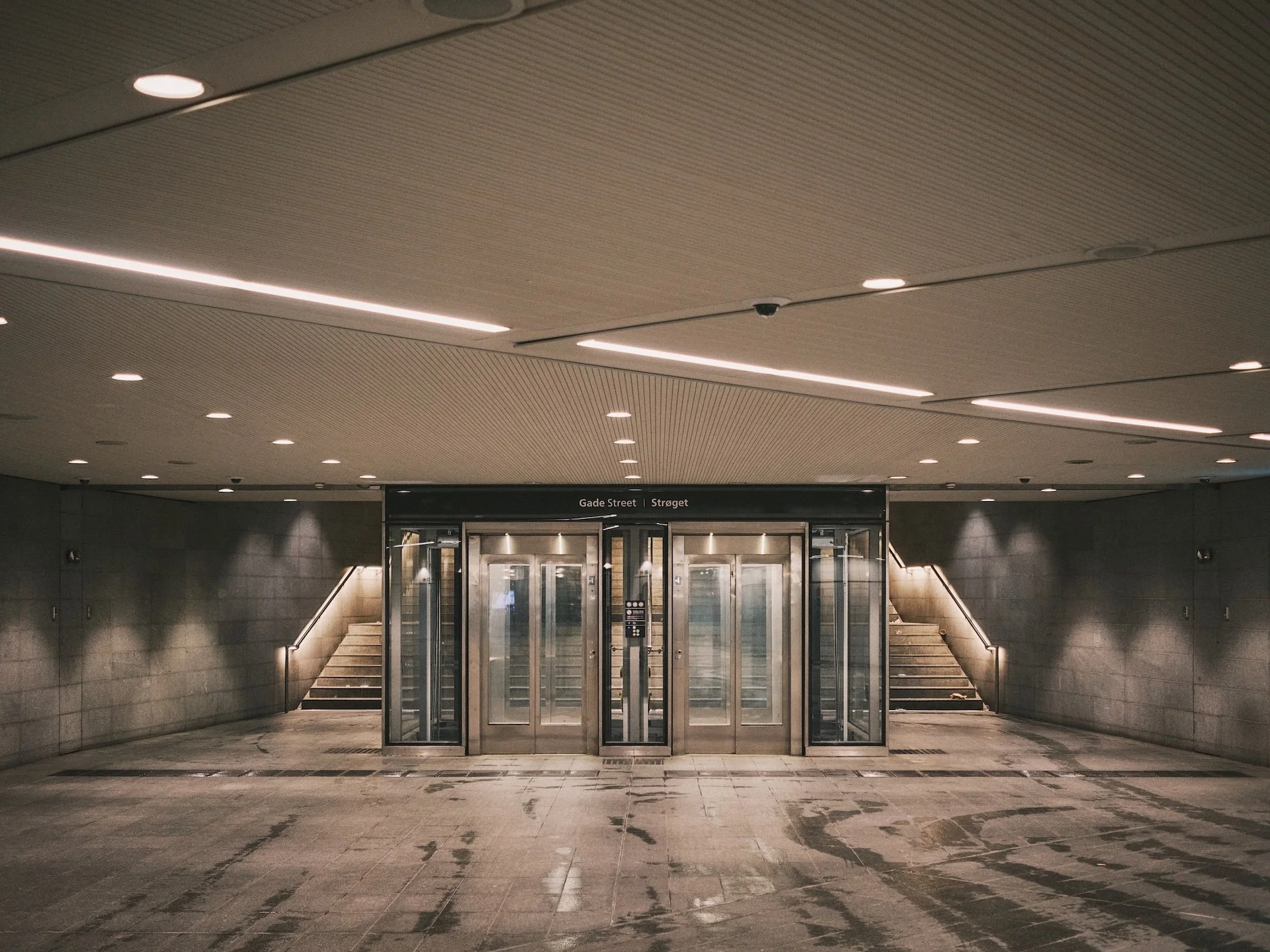
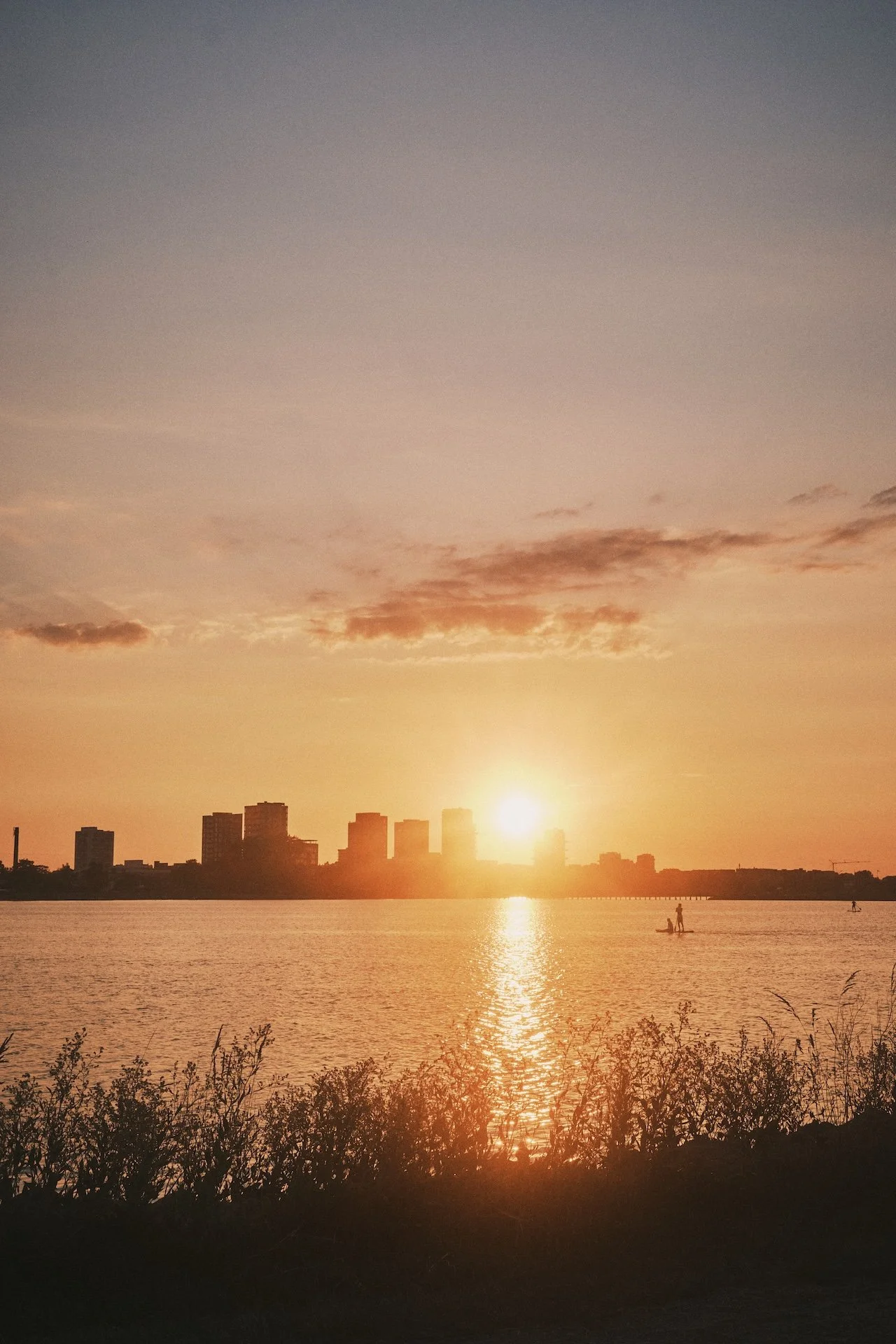
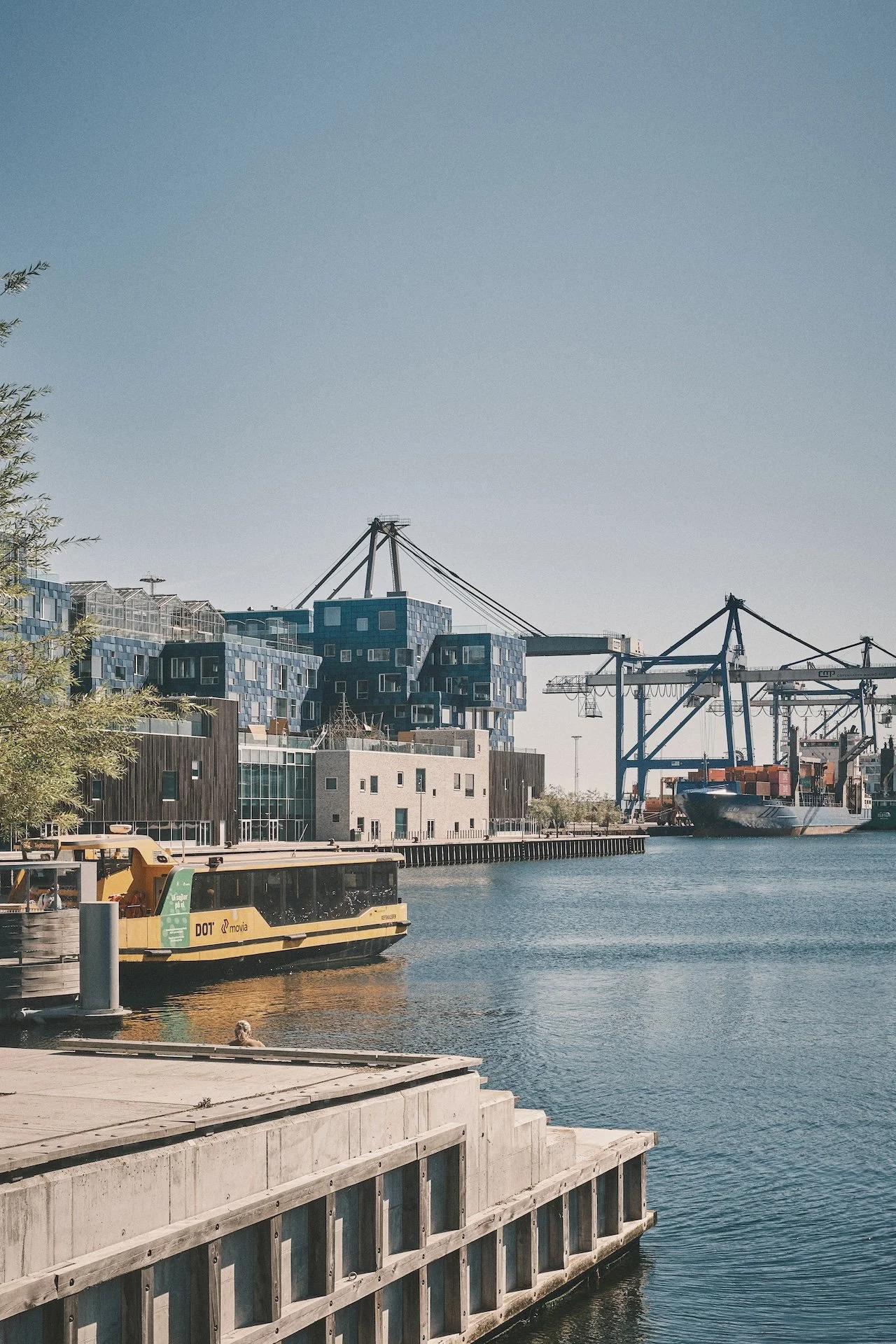
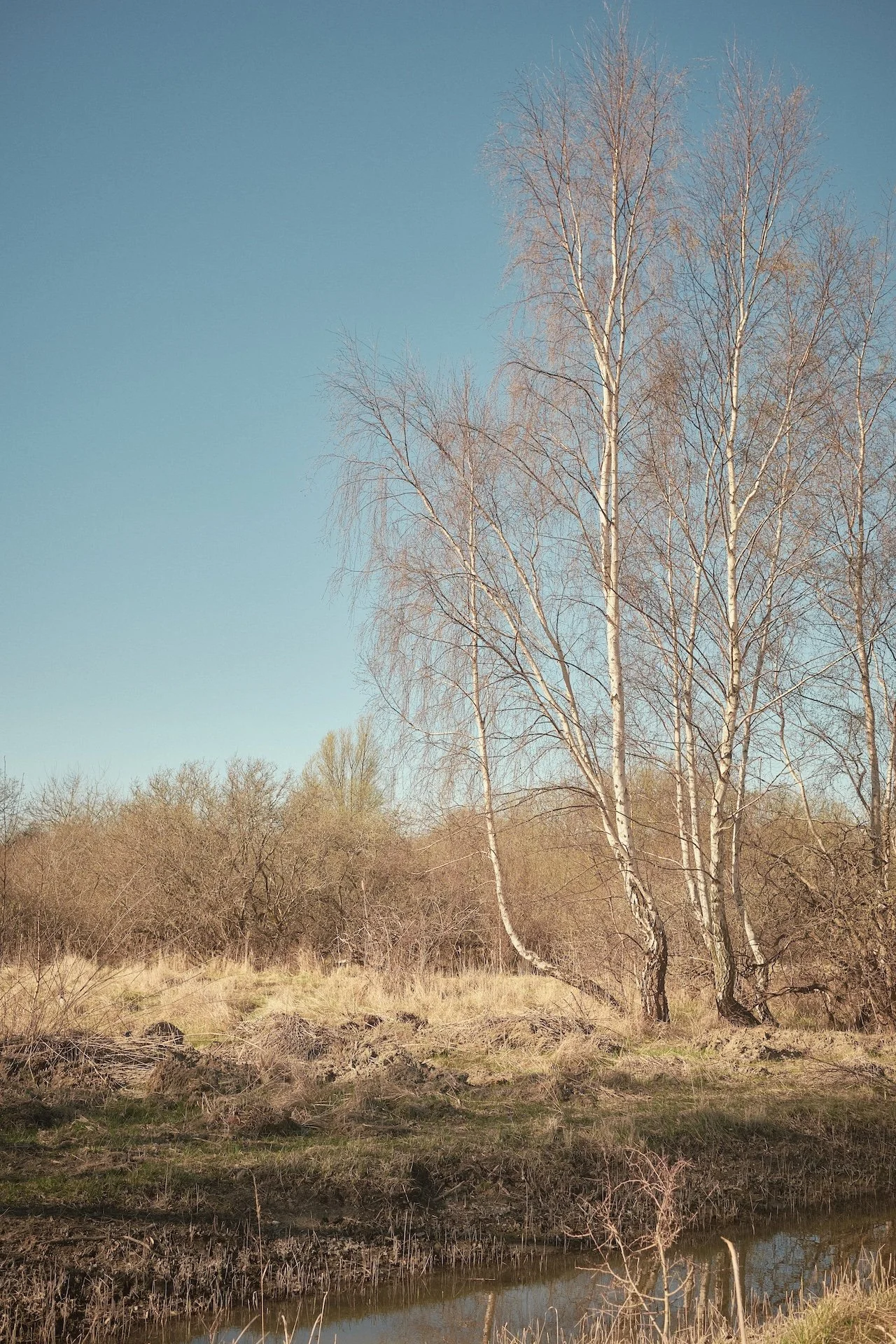
The photographs here are from Kære Danmark, a book about those eight years.
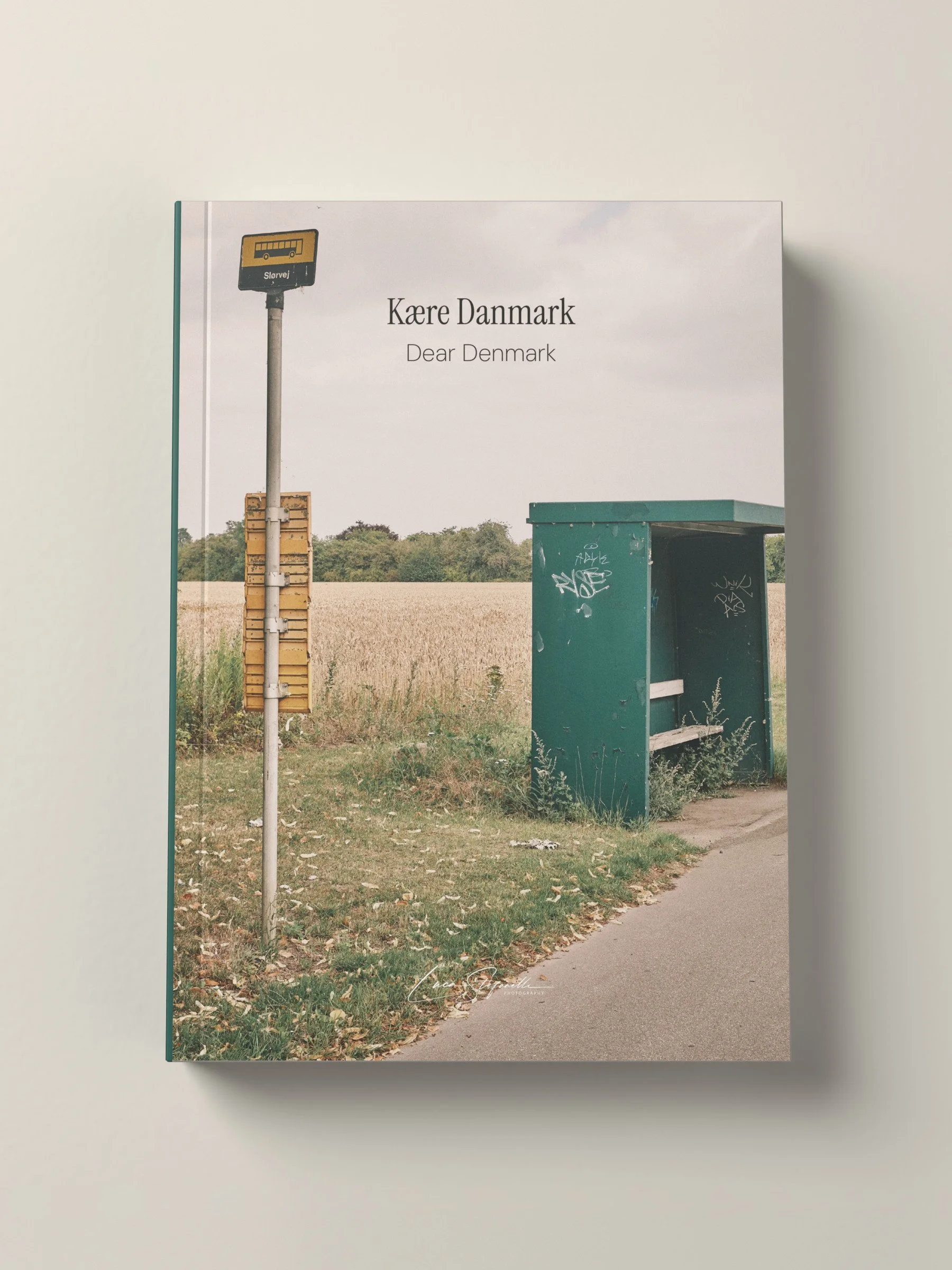
Eight years of Denmark in 120 layflat pages. A thank-you letter to the place that became home.
Kære Danmark means Dear Denmark. I came here for a while, and eight years later I'm still here. Somewhere along the way the country stopped being a place I was visiting and became where I live. This book is my way of saying thank you.
There are no people from my life in it, only places. Mostly Copenhagen, then the coast north of the city, the fields and the dunes further out. The photographs follow the order in which things happened: the postcard version first, then taking the long way round, then ordinary weekdays, the dark months, and finally the spring I called it home without correcting myself. There are five short chapters, each opening with one line in Danish and English. After that it's photographs, with space around them.
Details
120 pages, A4 portrait (21 × 29.7 cm)
Hardcover with layflat binding, so every spread opens completely flat
190 g/m² lustre paper
Colour photographs, Denmark 2018–2026
Texts in Danish and English
First edition, October 2026, printed to order
